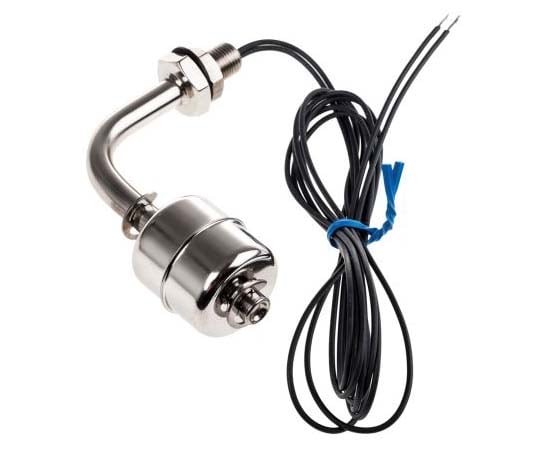
If you are looking for a reliable way to control sensitive liquids, then our range of float switches from Cynergy3 is an economical and efficient choice
We offer float switches which are easy to install in tanks and hard to reach places and comes with low maintenance
What is a float switch
A SSF24X100 switch is the type of level sensor, a gadget to recognize the level of fluid inside a tank
The switch might be utilized to control a pump, as a pointer, a caution, or to control different gadgets
It consists of reed switch and a pivoted magnet and can be used for normally open (N/O) or normally closed (N/C) operation
The switch action can be reversed rotating the switch through 180°
Features and Benefits
External mount via G1 ' ' (1 ' 'BSP) thread, enables this switch can be fitted to a tank through a G1 ' ' boss, without requiring access to the inside of the tank 20bar max working pressure Reversible switch action DIN 43650 connector for easy connection The switch action may be reversed by removing the float, inverting and refitting it High bouncy float (0.55 SG) Maximum temperature 120 °C
Guide how to choose the correct float switch
One of the most reliable, well-demonstrated technologies for fluid level detecting is float switch
This sort of switch involves a magnet contained inside a float, and also an attractive reed switch contained inside a settled housing
The movement of float, due to changing fluid level, will cause the reed change to work (for instance close or open) at specific level
This trusted and tried technology depends on a generally straightforward plan that offers long haul quality without the requirement for the client to calibrate a switch
There are different methods available how to choose a float switch for particular application, here are the main factors to consider:
Physical arrangement and style
The choice of styles depends on the physical arrangement of the tank, availability of mounting positions and whether there is an access inside of the tank
Fundamental styles are horizontal / side mounting and vertical mounting
Horizontal / side mounting has a fixed housing, which you can find on the wall of a tank and it has got a hinged float attached to the fixed housing
Vertical usually have a fixed vertical stem and that is installed at the top or bottom of the tank
Material selection
It is very important to choose a float switch that is made from right materials, which are compatible with the liquids and temperatures of the chosen application
While using incorrect material it can resolve in damaging of the component as well as failure of a float switch
Material types:
Nylon used for oils, diesel, organic chemicals and MEK (methylethylketon) based printing inks Polypropylene (PP) acids and alkali, detergents, oils, water, organic chemicals Polyphenylene sulphide (PPS) used for more aggressive chemicals, and higher temperatures, up to 120oC Stainless steel medical and food industries, hydraulic fluids, chemicals, and environments with high temperatures up to 135oC Buna/Nitrophyl diesel, oil, petrol and water (stationary applications) D300 foam (PVC) mostly for hydraulic oils and chemical solutions
Electrical
You need to fully understand what is the nature of the load that requires to be switched and make sure that the float switch is adequate for holding your load
The electrical ratings, which we provide in specifications are resistive loads
Cables
In areas where harsh liquids may spill onto external wiring, it is important to underline particular materials for the cables in connection to the float switches
You can either use standard, UL-approved cable types for the range of float switches, as well as high temperature, low smoke zero halogen (LSZL) and other specialised materials.